Loading time...

Publishing knowledge with purpose, integrity, and lasting scholarly value.

A trusted academic publishing platform for researchers, institutions, and readers, bringing peer-reviewed journals, scholarly books, research reports, proceedings, teaching texts, and edited collections into a clear record of discovery, debate, and public knowledge.

Operated by Global Centre for Research & Study
3Peer-reviewed journal sites
4xQuarterly journal rhythm
123Monographs and scholarly books
400+Research reports and briefs

Institute profile

The Institute is presented as a serious academic publisher: structured, archival, editorially governed, and useful for scholars, libraries, institutions, and readers.

Publishing mandate

Al-Nasr Research Institute is an academic publishing and research communication body serving scholars, universities, learned societies, conference organizers, policy researchers, and independent authors.

Its central work is to move scholarly material from manuscript to reviewed, edited, catalogued, and accessible publication. The Institute connects journal publishing, book development, proceedings production, institutional reports, and editorial advisory services under one publisher identity.

The publisher emphasizes multilingual scholarship, responsible review, ethical publication, durable archive access, issue-level records, and clear routes for authors and readers.

MissionPublish rigorous academic work that is clear, reviewable, discoverable, and useful to scholarly communities.
VisionBuild a respected publishing platform connecting Islamic studies, business, social sciences, education, and public scholarship.
AudienceResearchers, postgraduate scholars, libraries, universities, research centres, conference bodies, and policy readers.
Editorial promiseOrganized scope, transparent pathways, consistent metadata, careful proofreading, and accessible archive records.

Journal portfolio

Each journal has its own website, scope, issue archive, and submission route. The Institute page keeps the portfolio organized while directing readers to the correct journal platform.

Islamic and religious studies

Al-Nasr

A quarterly, multilingual journal for Islamic learning and related scholarship: Qur'an, Hadith, Sirah, Fiqh, Islamic law, Sufism, philosophy, theology, classical Muslim thought, contemporary Muslim thought, and Muslim societies.

ISSN
Online 2958-9398 | Print 2959-1015
Language
English, Urdu, Arabic
Frequency
Quarterly, 4 issues per year
Business and finance

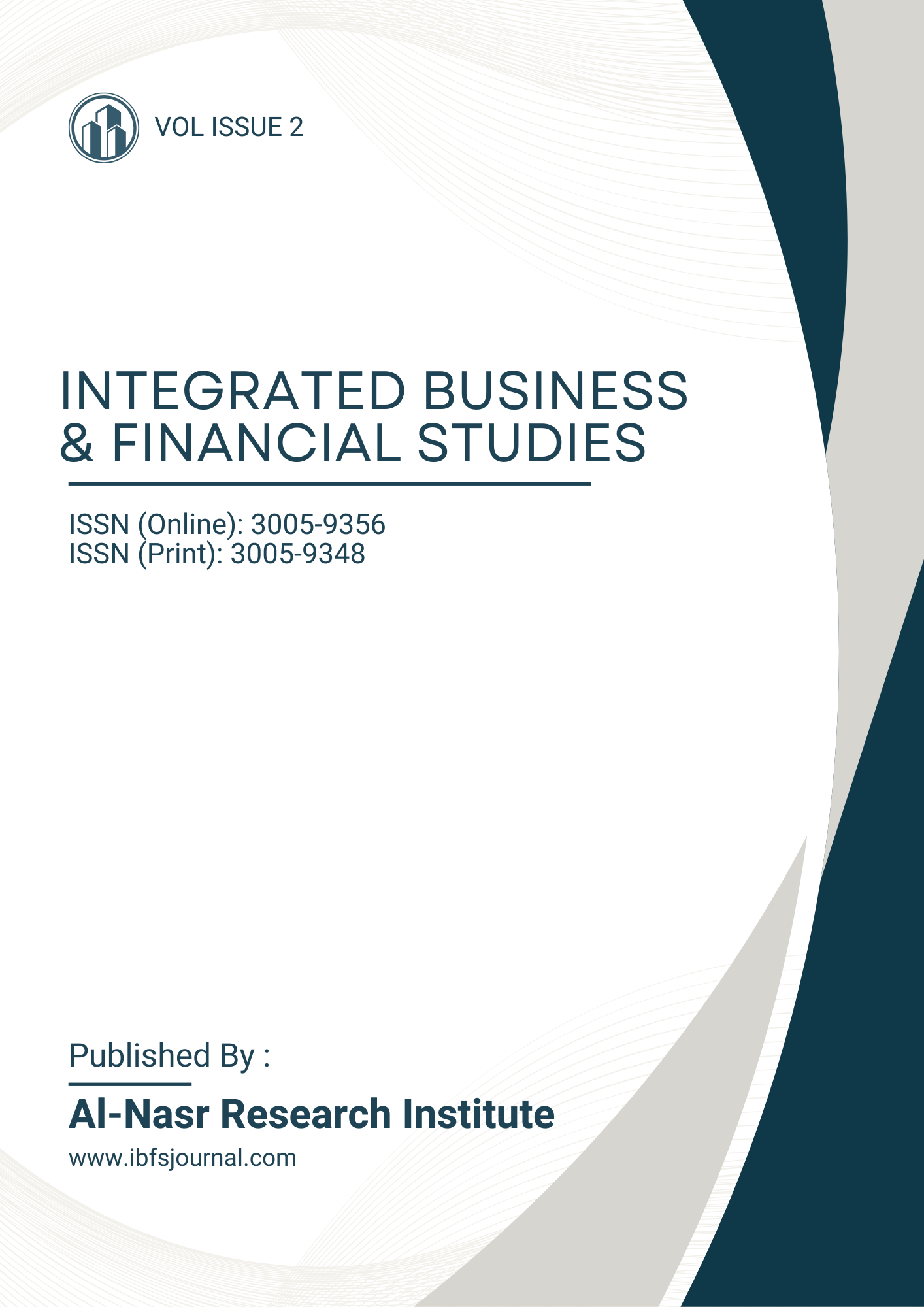
Integrated Business and Financial Studies

A quarterly journal published by Al-Nasr Research Institute, Lahore, featuring research on business, finance, accounting, banking, Islamic finance, governance, economic strategy, markets, and institutional practice.

ISSN
Online 3005-9356 | Print 3005-9348
Publisher
Al-Nasr Research Institute, Lahore
Frequency
Quarterly
Social sciences and texts

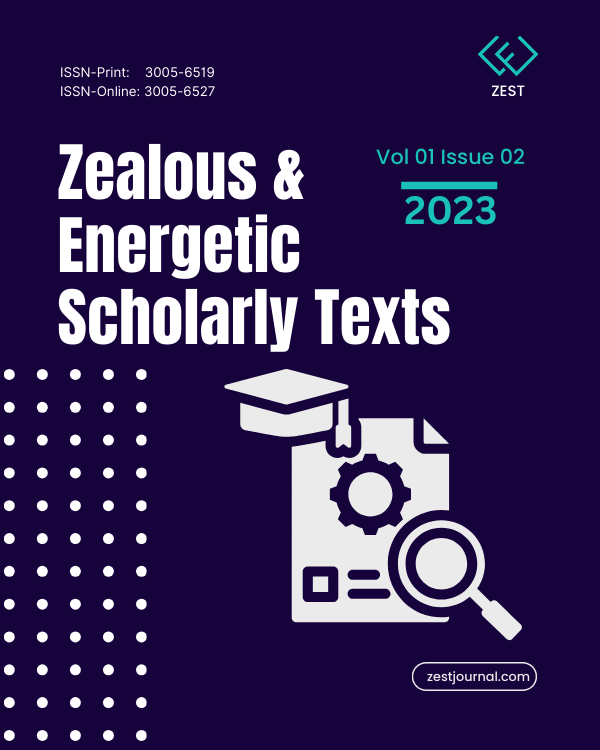
Zealous & Energetic Scholarly Texts

ZEST welcomes energetic, innovative, and thought-provoking scholarship across social sciences, education, business, languages, international relations, philosophy, theology, contemporary issues, and critical scholarly writing.

ISSN
Online 3005-6527 | Print 3005-6519
Scope
Multidisciplinary, with Pakistani and global contexts
Review
Blind peer review process

Current issue title pages

The live journal platforms provide current issues, article pages, PDFs, archive navigation, submission information, and reader/librarian resources.

Al-Nasr current issue cover

Al-Nasr

  • Vol. 4 No. 4
  • Oct-Dec 2025
  • Published 2025-12-03
  • A review of the pros and cons of the concept of Abrogation of The Quran
  • Scientific traditions narrated in Tafsir Ibn Kathir
  • An introductory and analytical study of Urdu books written on socialism
  • Dr. Ali Shariati's Religious and Political Concepts
IBFS current issue cover

Integrated Business and Financial Studies

  • Vol. 1 No. 2
  • 2025
  • Published 2025-12-01
  • Pakistan's Economic Position in a Globalized World
  • Customer motives in Islamic banking service adoption
  • Wakalah between classical fiqh and contemporary Islamic finance
  • Bay' Salam as a Shariah-compliant solution for agricultural credit
ZEST current issue cover

Zealous & Energetic Scholarly Texts

  • Vol. 1 No. 2
  • Oct-Dec 2025
  • Published 2025-12-01
  • Reforming Commercial Arbitration in Pakistan
  • Head teachers' leadership practices and school climate
  • Macroeconomic pressures and household financial well-being
  • Re-conceptualizing women's empowerment in Islam
Channel Primary scope Current record Route
Al-Nasr Islamic learning, Qur'an, Hadith, Sirah, Fiqh, Islamic law, Sufism, philosophy, theology, and Muslim societies. Vol. 4 No. 4, October-December 2025. alnasrjournal.com
IBFS Business, finance, accounting, banking, Islamic finance, governance, economic strategy, and institutional practice. Vol. 1 No. 2, 2025. ibfsjournal.com
ZEST Social sciences, education, business, languages, international relations, philosophy, theology, and contemporary issues. Vol. 1 No. 2, October-December 2025. zestjournal.com

Beyond journals: a complete publication program.

Al-Nasr Research Institute presents journals as the flagship portfolio while also making its larger publishing record visible: monographs, reports, proceedings, teaching resources, translations, bibliographies, and policy-facing documents.

123 MonographsSingle-author books, edited volumes, scholarly commentaries, and discipline-focused texts.
400+ Research ReportsInstitutional reports, survey summaries, policy briefs, and field research outputs.
Conference ProceedingsPeer-reviewed proceedings, abstract books, symposium records, and panel collections.
Working PapersEarly research drafts prepared for academic circulation, discussion, and revision.
Teaching TextsCourse readers, study guides, case packs, classroom references, and bibliographies.
Translations & Source TextsAnnotated translations, public-domain reprints, and curated scholarly source material.
Case StudiesBusiness, finance, education, public policy, and social research cases for teaching.
Special IssuesThematic calls edited around conferences, research groups, and emerging debates.
Manuscript developmentScope review, structure advice, language preparation, reference checks, abstract polishing, and author correspondence.
Publication designIssue assembly, title pages, journal covers, book prelims, page layout, metadata, PDF preparation, and catalogue entries.
Research communicationProceedings planning, report editing, policy brief packaging, archive organization, and publication records for institutes.
Catalogue stewardshipOrganized records by journal, year, issue, title, author, article, publication type, and reader route.

Research and publishing areas

The Institute’s catalogue is designed around fields where academic writing, public knowledge, professional practice, and institutional research meet.

Islamic and religious studies Qur'an, Hadith, Sirah, Fiqh, Islamic law, Sufism, Muslim thought, theology, and contemporary Muslim societies. Primary journal: Al-Nasr
Business and financial studies Management, accounting, banking, governance, entrepreneurship, financial markets, Islamic finance, and economic development. Primary journal: IBFS
Social sciences and education Education policy, leadership, community studies, social development, public institutions, and applied social research. Primary journal: ZEST
Languages and scholarly texts Critical essays, annotated texts, translation projects, source readers, bibliographies, and academic writing support. Format: texts, readers, translations
Policy and institutional research Reports, briefs, survey outputs, organizational studies, commissioned research, and evidence summaries for decision-makers. Format: reports and briefs
Conferences and academic events Proceedings, abstract books, symposia records, special issue planning, and editorial support for scholarly gatherings. Format: proceedings and dossiers

Author pathway

Authors receive a predictable route from scope selection to editorial screening, review, revision, production, and publication.

1

Choose venue

Select Al-Nasr, IBFS, ZEST, or a book/report series according to scope.

2

Prepare files

Include manuscript, abstract, keywords, author details, references, and declarations.

3

Screening

Editors review fit, originality, citations, language, ethics, and completeness.

4

Review

Eligible work proceeds to blind peer review, specialist review, or editorial review.

5

Publication

Accepted work is revised, proofread, typeset, catalogued, and released.

Institutional support

Beyond publication, the Institute supports the scholarly record through editorial coordination, metadata, issue preparation, author communication, and library-facing access.

For authorsVenue selection, submission guidance, manuscript preparation, revision coordination, and publication updates.
For editorsIssue planning, reviewer coordination, article organization, editorial documentation, and publication scheduling.
For librariesJournal archive links, issue records, ISSN information, metadata references, and reader access routes.
For institutionsProceedings, reports, policy publications, special issue collaboration, and research communication support.

Standards and governance

These standards keep the publisher identity credible across journals, books, proceedings, and research reports.

Editorial governanceThe publisher supports consistency in records, ethics, presentation, and workflows while journal decisions remain scope-led.
Peer reviewJournal articles are screened and reviewed according to relevant editorial and peer-review policies.
Publication ethicsOriginality, proper citation, authorship transparency, conflict declarations, and correction procedures are expected.
Visibility and recordsJournal platforms present current issues, archives, article pages, PDF access, RSS feeds, ISSN records, and author information.

Send manuscripts, proposals, and publishing queries.

Authors may use the individual journal submission links for articles. Book proposals, proceedings, reports, institutional publications, and catalogue questions may be sent to the Institute editorial office.